Stain Removal in Everyday Life: Practical Methods for Cleaner, Fresher Surfaces
Stain removal is one of those household skills that can save time, money, and a lot of frustration. Whether you are dealing with a coffee spill on a shirt, red wine on a tablecloth, grease on upholstery, or ink on a favorite pair of jeans, knowing how to approach stain removal the right way can make all the difference. The key is not only acting fast, but also understanding which stain removal methods work best for specific fabrics and surfaces. With the right approach, stain removal becomes less of a chore and more of a simple, repeatable process.
Many people assume that strong chemicals are always the answer, but effective stain removal often starts with common sense, gentle cleaning steps, and a little patience. In fact, using the wrong cleaner can set a stain permanently or damage the material. That is why smart stain removal focuses on identifying the stain, choosing the proper treatment, and testing products before full application. This article explores stain removal techniques, tools, and best practices for clothing, upholstery, carpets, and hard surfaces.
Beyond appearance, stain removal also supports hygiene and helps extend the lifespan of textiles and household items. Clean fabrics last longer, surfaces look better, and your home feels more organized. If you want practical stain removal tips that are easy to follow and suitable for a wide audience, you are in the right place.
Why Stain Removal Matters
Stains are more than cosmetic problems. Over time, food, drink, oil, ink, and other substances can weaken fibers, discolor surfaces, and create lingering odors. Effective stain removal helps preserve the look and durability of clothing, furniture, rugs, and other valuables. It also reduces the need for replacement, which can save households a significant amount of money.
Another reason stain removal matters is that some stains become harder to treat the longer they sit. A fresh stain is usually easier to lift than an old one that has dried or bonded to fabric fibers. For that reason, quick response is one of the most important stain removal strategies. The sooner you address a spill, the better your chance of complete success.
Understanding the Basics of Stain Removal
Before beginning any stain removal process, it helps to identify the type of stain you are dealing with. Water-based stains, such as juice or coffee, usually respond differently than oil-based stains like butter, makeup, or salad dressing. Protein-based stains, including blood, dairy, and egg, need special care because heat can make them harder to remove. Knowing the stain category improves stain removal results and prevents unnecessary damage.
Common Stain Types and How They Behave

Different stains react differently to cleaning products, temperatures, and fabric types. For example, grease does not dissolve well in plain water, while tannin stains from tea or wine can often respond to gentle blotting and mild detergents. Ink stains may require alcohol-based treatment, while mud usually needs drying and brushing before any liquid cleaner is applied.
Understanding stain behavior is the foundation of smarter stain removal. When you know what caused the stain, you can avoid trial-and-error mistakes that waste time or spread the mess. This is especially important for delicate materials such as silk, wool, and leather, where harsh treatment can be more damaging than the original stain.
Here are some common stain categories to recognize:
- Food and beverage stains: coffee, tea, wine, juice, sauce
- Oil and grease stains: cooking oil, makeup, butter, lotion
- Protein stains: blood, milk, egg, sweat
- Ink and dye stains: pens, markers, fabric dye transfer
- Outdoor stains: mud, grass, dirt, rust
Stain Removal for Clothing
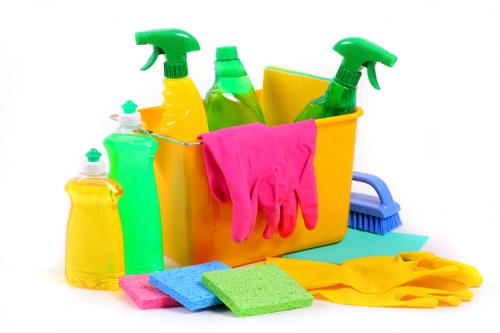
Clothing is one of the most common places where stain removal is needed. Shirts, pants, dresses, and uniforms can all be affected by daily spills and accidents. The first step in stain removal for clothing is to check the care label. Fabric content matters because cotton, polyester, wool, and silk each react differently to cleaning methods.
For most washable fabrics, start by gently blotting excess material with a clean cloth or paper towel. Avoid rubbing, since rubbing pushes the stain deeper into the fibers. Next, apply a small amount of stain remover or liquid detergent to the affected area and let it sit for a few minutes. Then rinse with cool water before laundering as usual. This simple stain removal routine works well for many common spills.
Best Practices for Laundry Stain Removal
When treating laundry stains, remember that heat can set many stains permanently. That means you should avoid putting a stained item into a hot dryer until you are certain the stain is gone. Air drying is a safer choice during the stain removal process. If the stain remains after washing, repeat the treatment before drying.
For tough stains, pre-treatment is often the difference between success and failure. A stain remover spray, oxygen-based cleaner, or enzyme detergent can be very effective depending on the material. Enzyme products are especially useful for protein and organic stains because they break down the compounds that cause discoloration and odor.
Useful clothing stain removal tips
- Act quickly for the best results
- Blot, do not rub
- Use cool water for many stains
- Test cleaning products on a hidden area first
- Repeat stain removal if needed before drying
Stain Removal for Carpets and Rugs
Carpets and rugs require careful stain removal because liquids can soak deep into the fibers and backing. The most important rule is to work from the outside of the stain inward to prevent spreading. Begin by blotting the spill with an absorbent cloth. If the stain is fresh, lift as much of the substance as possible before using any liquid cleaner.
For many carpet stains, a mixture of mild dish soap and water can be effective. Apply the solution lightly, then blot again with a clean cloth. Continue until the stain begins to fade. After cleaning, rinse the area with a small amount of clean water and blot dry. This helps prevent residue buildup, which can attract dirt later.
When it comes to stain removal on rugs and carpets, moisture control is critical. Too much water can damage the padding underneath or encourage mold growth. Use only enough cleaning solution to treat the stain, and make sure the area dries completely. Fans, open windows, and dry towels can speed up the process.
Handling stubborn carpet stains
Some carpet stains, such as wine, pet accidents, or grease, may require stronger stain removal methods. Oxygen-based cleaners are often helpful on colorfast rugs, while enzymatic cleaners can be useful for organic spills. Always read product instructions carefully and test before applying to a large area.
Never use aggressive scrubbing on carpets. It can damage fibers and make the stain more visible. Gentle pressure, blotting, and patience usually provide better stain removal results than force.
Stain Removal for Upholstery and Furniture
Upholstery stain removal requires attention to fabric type, cushion construction, and cleaning codes. Furniture fabrics may be labeled with codes such as W, S, WS, or X, indicating which cleaning methods are safe. Following these labels helps avoid water stains, shrinkage, or damage to the upholstery finish.
For water-safe upholstery, begin by removing loose debris and blotting the stain gently. A small amount of diluted upholstery cleaner or mild soap solution can then be applied with a clean cloth. Work carefully and avoid oversaturating the material. Once treated, blot dry and allow the area to air dry fully.
Stain removal for sofas, chairs, and cushions
Furniture often absorbs spills quickly, so speed matters. Stain removal from upholstery should be done with minimal moisture and a focus on controlled application. If the cushion covers are removable and washable, check the label before treating them separately. If not, use a fabric-safe cleaner and a microfiber cloth to lift the stain.
Always remember that hidden damage can be worse than surface discoloration. That is why testing in an inconspicuous spot is one of the smartest stain removal habits. It protects the texture, color, and structure of the fabric while allowing you to clean with confidence.
Upholstery stain removal checklist
- Check the cleaning code
- Vacuum or remove loose debris
- Blot the stain gently
- Apply a small amount of safe cleaner
- Blot again and dry thoroughly
Stain removal is not only about treating visible marks; it is also about maintaining the long-term quality of the items you use every day. In homes with children, pets, or heavy foot traffic, stains are almost inevitable. However, a consistent stain removal routine can prevent minor accidents from becoming permanent problems. This practical mindset makes stain removal easier and more effective over time.
One useful approach is to keep a stain removal kit in an accessible location. A kit may include microfiber cloths, a soft brush, mild detergent, white vinegar, baking soda, an enzyme cleaner, and disposable gloves. Having these items ready means you can respond quickly when spills happen. Preparedness is one of the easiest ways to improve stain removal success.
It is also important to understand that not every stain removal method works on every surface. What helps one material may damage another. For instance, vinegar can be helpful in some cases but may not be ideal for stone or delicate natural fibers. Likewise, bleach can remove some stains but may discolor fabrics or weaken them. Good stain removal depends on matching the cleaner to the surface and the stain type.
Safe Stain Removal Methods for Different Surfaces
Beyond clothing and furniture, stain removal is often needed on hard surfaces like countertops, tiles, sinks, and walls. These surfaces are usually easier to clean than fabrics, but they still require the right method. Mild soap, water, and non-abrasive cloths are often enough for everyday stains. For stuck-on residue, soft scrubbing pads may help as long as they do not scratch the finish.
On natural stone, stain removal requires extra caution because acidic products can etch the surface. On sealed stone and tile, a neutral cleaner is usually safer. On painted walls, start with gentle soap and water, and avoid excessive moisture that can damage paint or drywall. Careful stain removal protects both the look and integrity of the surface.
Home remedies for stain removal
Many household stain removal solutions can work well when used correctly. Baking soda is useful for lifting odors and light stains. White vinegar may help with certain mineral or odor-related marks. Dish soap is effective against grease. Hydrogen peroxide can sometimes help with organic stains on light-colored fabrics, though it should always be tested first.
Use home remedies thoughtfully, not blindly. Even natural cleaners can cause fading, texture changes, or surface damage if used the wrong way. A careful stain removal approach always starts with testing, dilution, and proper rinsing.
Examples of common household stain removal solutions
- Baking soda paste: useful for odor and mild stain lifting
- White vinegar solution: helpful for some fresh stains and residue
- Mild dish soap: effective for oily spots
- Hydrogen peroxide: can assist with some organic stains on light fabrics
- Enzyme cleaner: ideal for protein-based and pet-related stains
Timing is another major factor in stain removal. Fresh stains are much easier to treat because they have not yet had time to bond with fibers or dry into the surface. Old stains may require several rounds of treatment, and some may never disappear completely. Still, proper stain removal can often reduce their appearance significantly, even when complete removal is difficult.
Temperature also matters. Cold water is generally safer for blood, protein stains, and many everyday spills. Warm water may help dissolve oily stains, but it can also set certain marks if used too early. This is why stain removal should never be rushed without considering the nature of the stain. A few extra minutes of careful action can prevent a much bigger problem later.
If you are dealing with recurring stains, it may help to identify patterns. For example, grease around the kitchen, ink near a home office, or grass stains from outdoor play may all benefit from targeted stain removal supplies in those areas. Small adjustments like placing mats, using protective covers, or keeping napkins nearby can reduce future stain removal needs and make daily maintenance easier.
When Professional Help Makes Sense
Sometimes stain removal is best left to professionals, especially when dealing with delicate fabrics, expensive upholstery, antique rugs, or unknown substances. If you are unsure what caused the stain or the item has sentimental or financial value, professional cleaning can provide safer results. Specialized equipment and expertise often produce better stain removal outcomes on challenging materials.
Professional help is also worth considering when a stain is large, has been present for a long time, or has already been treated with the wrong product. In those situations, repeated DIY attempts may worsen the damage. A qualified cleaner can evaluate the item and choose the right stain removal technique without unnecessary risk.
Signs you may need expert stain removal
- The fabric is delicate or labeled dry clean only
- The stain is old, set-in, or unusually large
- You have already tried multiple cleaners
- The item is expensive, valuable, or irreplaceable
- The stain has caused odor, fading, or texture changes
In many cases, professional cleaning can restore items that seem beyond saving. If a treasured garment or favorite sofa has a stubborn mark, do not give up too quickly. Book your service now when you need expert-level stain removal support for valuable household items.
Smart Stain Removal Habits for Long-Term Success
Developing a few smart habits can make stain removal much easier in the future. Keep cleaning supplies together, respond quickly to spills, and always read care instructions before applying any product. The more consistent your routine, the more confident you will feel handling unexpected messes. Over time, stain removal becomes less stressful and more automatic.
You can also protect fabrics and surfaces before stains occur. Use washable slipcovers, tablecloths, placemats, and protective sprays where appropriate. These simple precautions reduce the chance of permanent damage and make stain removal less frequent. Prevention is not only practical; it is also one of the most cost-effective parts of home care.
For families, shared living spaces, or busy households, creating a basic stain removal plan can be very helpful. For example, assign a few go-to products for different types of spills and store clean cloths nearby. When everyone knows the basics, stain removal can happen quickly before the spill has time to settle.
Simple stain removal habits to remember
- Blot spills immediately
- Keep stain removal supplies ready
- Avoid heat until the stain is gone
- Test cleaners before use
- Match the method to the stain type
These small actions add up. Whether you are working on laundry, carpet, upholstery, or hard surfaces, reliable stain removal comes from being prepared, using the right cleaner, and staying patient. That combination delivers the best results for most everyday messes.
Contact us today if you want professional stain removal help for difficult spots, delicate materials, or large-scale cleaning challenges. And if you prefer to take action immediately, Book your service now to restore a cleaner, fresher look to your home or business.
Final thoughts on stain removal
Stain removal does not need to be overwhelming. With the right knowledge, a few reliable products, and a calm approach, you can handle many common stains successfully. From clothing and carpets to upholstery and hard surfaces, effective stain removal protects your belongings and keeps your environment looking its best. The more you understand the stain removal process, the better your results will be.