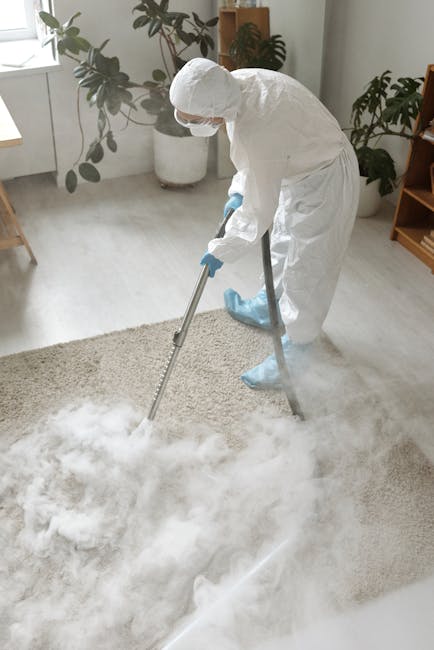
Emergency carpet cleaning for Highbury Terrace homes
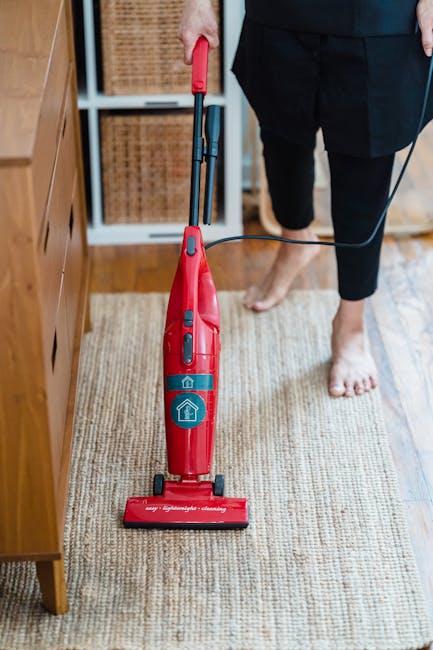
If you have a spill, leak, pet accident, or muddy disaster on the carpet, the clock starts ticking fast. Emergency carpet cleaning for Highbury Terrace homes is about stopping the damage early, reducing staining and odour, and getting the room back to normal with as little fuss as possible. In a terrace home, that matters even more: stairs, landings, and compact rooms can trap moisture and make a small incident feel like a much bigger one. The good news? With the right first steps, you can often protect the fibres, the backing, and your peace of mind.
This guide explains what emergency carpet cleaning actually involves, when to act yourself and when to call in help, how the process works, and what to avoid if you want the best result. We'll also cover local realities for Highbury Terrace homes, from tight access to everyday family life, because let's face it, messes rarely happen at a convenient time.
Why Emergency carpet cleaning for Highbury Terrace homes Matters
Carpets can forgive a lot, but not everything. The longer a spill sits, the more likely it is to spread through the pile, seep into the underlay, and leave a mark that becomes permanent. That is especially true with tea, coffee, red wine, grease, pet accidents, and anything sticky. On a terraced property, there is often a mix of original features, modern refits, and busy daily use, so one accident can affect more than just the visible patch.
Emergency cleaning is not only about appearance. It can help reduce lingering smells, prevent mould in damp conditions, and lower the chance of secondary damage such as wicking, where a stain seems to disappear and then comes back after drying. That little comeback can be annoying. Very annoying, actually.
For Highbury Terrace homes, the timing is often the real issue. A knocked-over drink before guests arrive, a pet accident on the upstairs landing, or a leak from a radiator or washing machine can all demand a quick response. If you act early, you give the fibres a better chance. If you wait, the job becomes harder, costlier, and sometimes much less predictable.
Practical takeaway: the sooner the carpet is assessed and treated, the better the odds of saving the pile, colour, and smell.
How Emergency carpet cleaning for Highbury Terrace homes Works
Emergency carpet cleaning usually follows a simple principle: stabilise the situation first, then clean thoroughly without making the damage worse. The exact method depends on what caused the problem, how much liquid was involved, the carpet fibre, and whether the area is still damp or already setting into the backing.
In many cases, a professional will begin by identifying the stain type. That matters more than people realise. A protein-based stain from food or pet mess behaves differently from a tannin stain like tea, and both differ from oily residue. Using the wrong solution can set the stain or push it deeper. And yes, this is one of those jobs where a confident guess can backfire.
Typical emergency carpet cleaning may include:
- spot assessment and fibre identification
- careful removal of loose debris or excess liquid
- targeted pre-treatment using a suitable stain solution
- hot water extraction or steam-based cleaning where appropriate
- controlled drying to reduce moisture left in the pile and underlay
- odour treatment if the source has penetrated deeper into the carpet
For quick reference on standard carpet care, many homeowners also review the main carpet cleaning service and, where heavy soil or deep-set marks are involved, the approach used in steam carpet cleaning. If the issue is a specific spill, the wider stain removal service is often the most relevant fit.
Sometimes the job extends beyond carpet alone. A spill may splash onto nearby soft furnishings, curtains, or a rug, which is why related services such as sofa cleaning, upholstery cleaning, rug cleaning, or curtain cleaning can be useful follow-ups if the mess has travelled.
Key Benefits and Practical Advantages
The obvious benefit is saving the carpet. But there are several other advantages that people notice after the dust settles, so to speak.
- Better stain outcomes: fast treatment often prevents permanent marking.
- Less odour: immediate cleaning helps stop smells from settling into the pile or underlay.
- Lower risk of moisture problems: quicker drying reduces the chance of damp lingering under furniture or in corners.
- Less disruption: one focused visit can stop a small mess from becoming a whole-room project.
- More confidence: it is simply easier to relax when the carpet is being dealt with properly.
There is also a financial side. An emergency response can sometimes preserve a carpet that would otherwise need more extensive repair or replacement later. That does not mean every mark disappears, and it would be careless to promise that. But in practice, many urgent jobs are about damage limitation, and damage limitation is valuable.
For landlords, tenants, and families juggling day-to-day life, this kind of service is often about avoiding a chain reaction: stain becomes smell, smell becomes complaint, complaint becomes bigger expense. Nobody wants that chain.
Who This Is For and When It Makes Sense
Emergency carpet cleaning is not just for dramatic floods or obvious disasters. It can make sense in quite ordinary situations where fast action matters.
- Families with young children and frequent spills
- Pet owners dealing with accidents or odour absorption
- Tenants wanting to protect a deposit
- Landlords preparing a property between occupancies
- Homeowners facing a leak, overflow, or muddy entrance hall
- People hosting guests, events, or viewings and needing a quick turnaround
Highbury Terrace homes often have busy entrances, stairs, and smaller room layouts, which means traffic marks and spill spread can happen quickly. A wet patch near a doorway can be tracked upstairs without anyone noticing until later. Classic, really. One minute it is a small incident, the next there are footprints across the landing.
If the carpet is already old, delicate, or lightly fitted over underlay that holds moisture, you may need a gentler approach. If it is a newer synthetic carpet, there is usually a bit more resilience. Either way, the right response depends on the carpet, not just the stain.
If you need a broader overview before deciding, the company's main about us page can help set expectations about who is doing the work, while insurance and safety and the health and safety policy are useful for peace of mind when urgent work is being arranged.
Step-by-Step Guidance
If you are dealing with a fresh spill, the first 10 minutes matter a lot. Here is a sensible, low-risk approach.
- Stop the spread. If possible, keep people off the area and remove anything that could transfer more dirt.
- Blot, do not rub. Press with a clean absorbent cloth or paper towel. Rubbing can push the stain deeper and rough up the fibres.
- Scoop or lift solids carefully. For food or debris, lift it away instead of grinding it into the carpet.
- Use only a minimal amount of water. Excess moisture can spread the stain and soak the underlay.
- Test any product first. A tiny hidden spot is better than a large visible disaster. Obvious, but easy to forget in a rush.
- Ventilate the room. Open windows if conditions allow and move air gently to support drying.
- Call for help if the stain is risky. Dyes, urine, blood, bleach, oil, or unknown liquids are worth professional attention sooner rather than later.
Once a professional arrives, the process typically continues with inspection, targeted pre-treatment, cleaning, and drying. If the carpet has been flooded or the backing feels saturated, more intensive moisture removal may be needed. In some homes, the issue is not the stain itself but what you cannot see under the surface. That hidden part is why speed matters so much.
For urgent situations involving pet accidents, the specific pet stain odour removal page is especially relevant because odour can linger long after the visible mark has faded.
Expert Tips for Better Results
There are a few practical habits that consistently improve the outcome. Nothing dramatic, just the things experienced cleaners tend to do without thinking twice.
- Act before the stain dries fully. The earlier the intervention, the more manageable the job.
- Keep a dry cloth rotation going. Fresh cloths absorb more effectively than one soggy towel.
- Avoid over-wetting edges. Stains can spread outward in a ring if too much liquid is used.
- Think about the underlay. A carpet may look fine on top but still be damp below.
- Watch for reappearing marks. Wicking can happen after drying, especially with deep spills.
- Move furniture only if safe. Heavy items can create transfer marks or tear fibres if rushed.
One small but important tip: if a spill is large, photograph it before you clean. Not for drama, just for clarity. It helps with ordering the right treatment and remembering exactly what happened if the situation worsens later. And yes, people do forget. Usually when they are tired and trying to sort dinner at the same time.
If the carpet is part of a larger refresh, a planned follow-up visit to a broader carpet cleaning appointment can help restore the whole room after the emergency is under control.
Common Mistakes to Avoid
Emergency work goes wrong most often when someone tries to be too aggressive or too casual. There is a middle ground, and it matters.
- Rubbing hard: this can distort pile, spread pigment, and make the stain wider.
- Using coloured cloths: dye transfer from a towel is a real thing, annoyingly enough.
- Mixing cleaning products: this can damage fibres or create unsafe fumes, especially in enclosed rooms.
- Skipping drying: a carpet that looks clean but stays damp can develop odour or secondary staining.
- Waiting too long: the stain sets, the odour deepens, and the fix gets harder.
- Assuming every carpet is the same: wool, blends, and synthetics all behave differently.
Another common mistake is forgetting the surrounding area. A mug spill can hit the carpet, skirting, curtain hem, or sofa arm in one go. If the incident has travelled, the right answer may include upholstery cleaning or sofa cleaning as part of the overall recovery.
And one more thing: do not chase perfection with random internet hacks. Some make the carpet look worse, not better. Been there, seen that. The rescue mission becomes the new problem.
Tools, Resources and Recommendations
You do not need a warehouse of equipment to respond well to a carpet emergency, but having a few sensible items close to hand helps.
- clean white absorbent cloths or paper towels
- a soft spoon or blunt edge for lifting solids
- an empty bucket or bowl for used cloths
- a fan or safe ventilation route for air movement
- simple neutral carpet-safe spot treatment, used cautiously
- gloves if the spill is unhygienic or unknown
For homeowners who want a more structured response, it helps to know what sort of service to ask for. The general carpet cleaning page is a good starting point for routine care, while steam carpet cleaning is often relevant where deeper extraction is needed after an emergency. If the problem is highly specific, stain removal is the more precise fit.
For practical reassurance around payments and data handling, the site's payment and security and privacy policy pages are useful reading before you book anything urgent. That may sound dull, but when a room is already in chaos, clear admin is underrated.
Law, Compliance, Standards and Best Practice
Emergency carpet cleaning itself is a household service, not a regulated medical or legal procedure, but best practice still matters. In the UK, reputable cleaners generally work with care around safety, consumer expectations, and the condition of the property. That usually means being honest about what can and cannot be removed, using suitable products for the carpet type, and taking reasonable steps to avoid damage.
For residents in shared buildings or rented homes, it is also sensible to consider lease terms, inventory records, and letting-agent expectations where relevant. If a leak has caused damage beyond the carpet, the issue may move into landlord, insurance, or maintenance territory. Keep records, take photos, and avoid making assumptions before the cause is known.
From a safety point of view, wet carpets can be slippery and may present a trip risk, especially on stairs and landings in terrace homes. Good practice is to keep people away from treated areas until the surface is safe to walk on. If a cleaner is attending, their approach should reflect ordinary UK health-and-safety expectations: sensible product use, careful access, and clear communication.
If you want to understand how a company handles complaints, sustainability, or service standards, the related pages on complaints procedure, recycling and sustainability, and terms and conditions give useful background without overcomplicating things.
Options, Methods and Comparison Table
Different emergencies call for different responses. Here is a simple comparison to help you judge the right starting point.
| Situation | Best first response | What to avoid | Likely follow-up |
|---|---|---|---|
| Fresh drink spill | Blot immediately, keep area dry, use a careful spot treatment if suitable | Rubbing, soaking, using coloured cloths | Targeted stain removal if a mark remains |
| Pet accident | Remove residue gently, ventilate, treat odour promptly | Masking smell with perfume or over-wetting the pile | Pet stain odour removal |
| Grease or food spill | Lift solids, avoid pushing oil deeper, use the right pre-treatment | Hot water straight away if it may spread grease | Professional stain removal or steam carpet cleaning |
| Large leak or damp patch | Limit access, ventilate, assess moisture beneath the pile | Ignoring the underlay or delaying drying | Deep extraction and controlled drying |
| Stain on nearby furniture | Check adjacent soft furnishings early | Cleaning one item and forgetting the rest of the room | Sofa cleaning or upholstery cleaning |
To be fair, no comparison table can replace a proper inspection. But it does help you avoid the classic mistake of treating every mess like it is the same problem. It rarely is.
Case Study or Real-World Example
Here is a realistic example from a terrace-home scenario. A family in Highbury Terrace notices a large tea spill on the living room carpet just before visitors arrive. The spill has spread under a chair and started to darken the pile. Rather than scrubbing, they blot the area, lift the chair, and keep foot traffic away. By the time help arrives, the stain has not dried completely, which gives the cleaner a much better chance of treating it successfully.
During inspection, the cleaner identifies that the spill is mainly a tannin stain, not an oily one, and uses a targeted pre-treatment before extraction. The visible mark reduces significantly, and the room dries without a lingering damp smell. A small shadow remains where the spill was heaviest, but it is far less noticeable than before. That outcome is honest and fairly typical: sometimes the goal is a major improvement rather than a magical wipe-away.
In another common scenario, a pet accident on a hallway carpet looks minor at first but later gives off a smell on warm afternoons. The visible spot may be small, yet the odour travels deeper. A combined cleaning and odour treatment approach is usually more sensible than surface cleaning alone. If you have ever walked into a hallway and thought, "what is that smell?", you already know why this matters.
Practical Checklist
Use this checklist if you are dealing with an urgent carpet issue in a Highbury Terrace home.
- Keep people and pets away from the affected area
- Blot the spill gently with a clean white cloth
- Remove solids without rubbing them in
- Do not flood the carpet with water
- Ventilate the room where possible
- Take a quick photo of the damage before cleaning further
- Check whether nearby furniture, rugs, or upholstery were affected
- Book professional help quickly if the stain is large, smelly, oily, or unknown
- Ask about drying time and any temporary access limits
- Review aftercare instructions once the cleaning is complete
Quick summary: act fast, stay gentle, and focus on moisture control. That simple combination solves more problems than most people expect.
For a straightforward next step, you can review the company's pricing and quotes information, then use the contact us page to arrange the right response for your situation.
Conclusion
Emergency carpet cleaning for Highbury Terrace homes is really about speed, judgment, and calm action. The carpet itself may survive a lot more than you think, but the first response makes a huge difference. Blot early, avoid harsh DIY fixes, and get the right treatment before the stain settles into the fibres or underlay. In a busy terrace home, that kind of quick decision can save a room, not just a patch.
And if the mess has spread beyond the carpet, that is fine too. Soft furnishings, rugs, and curtains can often be handled as part of the same recovery plan, which keeps the home feeling coherent again rather than half-fixed. Not perfect, maybe. But much better. Often enough, that is exactly what people need after an unexpected spill or leak.
Get a free quote today and see how much you can save.
When a carpet emergency happens, the goal is simple: steady the room, protect what can be saved, and get your home back to feeling like home.
Frequently Asked Questions
What counts as an emergency carpet cleaning situation?
Anything that needs fast action to prevent staining, odour, or moisture damage can count as an emergency. Common examples include wine spills, pet accidents, leaks, floodwater, and heavy mud tracked through the house.
How quickly should I act after a carpet spill?
As quickly as you can. The first few minutes matter most, especially for liquids that stain or soak into the underlay. Even if you cannot clean properly right away, blotting and limiting spread helps a lot.
Can I clean a carpet emergency myself?
Yes, for small fresh spills you can often do some safe first aid yourself. Blot gently, avoid harsh scrubbing, and do not over-wet the carpet. If the stain is unknown, large, or odorous, professional help is usually the better call.
Why does a stain sometimes come back after drying?
That is often due to wicking, where residue from deeper in the carpet or underlay moves back up as the area dries. It is frustrating, but it is one reason controlled drying and proper extraction matter so much.
Is steam cleaning good for emergency carpet cleaning?
It can be, depending on the carpet type and the nature of the spill. Steam or hot water extraction is often useful for deeper cleaning, but the method should match the fibre and stain. Not every emergency needs the same treatment.
What should I do if my pet has had an accident on the carpet?
Blot the area, remove any residue, and try to ventilate the room. Pet accidents can leave both visible marks and lingering smell, so a specialist approach such as pet stain odour removal is often more effective than surface cleaning alone.
Will emergency carpet cleaning remove all stains?
Not always. Many stains improve greatly, and some disappear completely, but outcomes depend on the substance, how long it sat, the carpet fibre, and whether anything has damaged the dye. A trustworthy cleaner should be honest about that.
How long does the carpet take to dry after urgent cleaning?
Drying time varies based on the cleaning method, ventilation, carpet thickness, and how much moisture was present before treatment. A lighter spot clean may dry fairly quickly, while a deeper extraction job can take longer.
Can emergency cleaning help with smells as well as stains?
Yes, if the odour source is treated properly. Smells often come from liquid that has reached the backing or underlay, so removing only the surface mark may not be enough. That is especially true with pet accidents or leaks.
Is it worth booking a full carpet clean after the emergency is dealt with?
Often, yes. Once the urgent problem is under control, a broader clean can help even out the appearance of the room and remove residual soil around the treated area. It is a sensible follow-up when the carpet has taken a knock.
What if the spill also hit my sofa or rug?
Then it is worth treating the whole incident as one event rather than separate problems. Nearby soft furnishings may need attention too, and services like rug cleaning, sofa cleaning, or upholstery cleaning can be part of the same practical recovery plan.
How do I know which service page to look at first?
If the problem is mainly on the floor, start with carpet cleaning or stain removal. If the issue includes smell from a pet accident, check pet stain odour removal. If the damage is on furniture or a decorative floor rug, the related upholstery or rug service is usually more relevant.