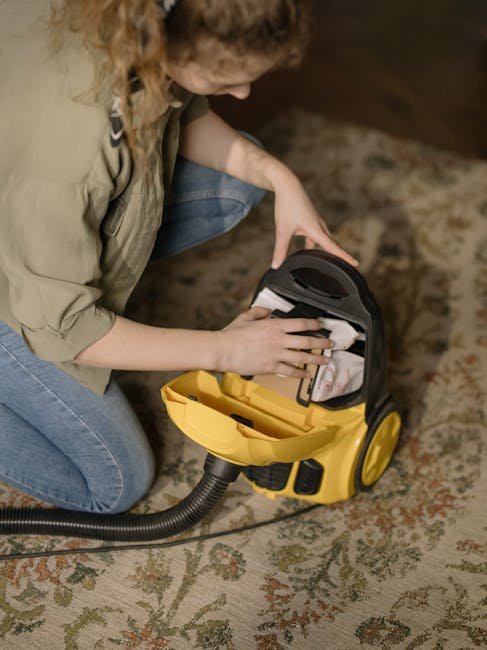
Access problems for basement carpet cleaning on Highbury Grove
Basement carpet cleaning sounds simple enough until the practical stuff gets in the way. Tight stairwells, awkward doorways, low headroom, heavy equipment, shared entrances, and the lovely little surprise of no direct parking nearby can all turn a routine clean into a bit of a logistical puzzle. If you are dealing with access problems for basement carpet cleaning on Highbury Grove, you are not alone. In older London properties especially, the carpet itself is often the easy part; the real challenge is getting people, machines, hoses, and drying equipment into the right place without causing damage or hassle.
This guide walks through what those access issues actually look like, why they matter, how a proper carpet-cleaning visit is planned, and what you can do to make the job smoother. It also covers safety, best practice, and the small details that tend to make the biggest difference. Truth be told, a well-prepared basement clean is usually far less stressful than people fear. The tricky bit is knowing what to expect before anyone turns up at the door.
Table of Contents
- Why access problems for basement carpet cleaning on Highbury Grove matters
- How access problems for basement carpet cleaning on Highbury Grove works
- Key benefits and practical advantages
- Who this is for and when it makes sense
- Step-by-step guidance
- Expert tips for better results
- Common mistakes to avoid
- Tools, resources and recommendations
- Law, compliance, standards, or best practice
- Options, methods, or comparison table
- Case study or real-world example
- Practical checklist
- Conclusion
- Frequently asked questions
Why access problems for basement carpet cleaning on Highbury Grove matters
Access sounds like a minor detail until it starts affecting the whole job. In a basement, every extra step matters: a steep staircase, a narrow hallway, a kinked hose, a low ceiling, or a shared front door can all slow things down. If a cleaner cannot safely get equipment in and out, the result may be a rushed clean, extra disruption, or in some cases a job that needs to be rescheduled.
That is why it matters to talk through access early. Good planning protects the property, reduces disruption to neighbours, and helps the clean go ahead with the right method. It also gives you a realistic view of what is possible. A basement flat in a converted terrace is not the same as a ground-floor space with easy rear access, and pretending otherwise does nobody any favours.
There is also a comfort factor. When access is tight, people often worry about scuffed walls, wet steps, or equipment being dragged through clean areas. Fair enough. A careful cleaner should explain how they will move through the space, what needs clearing, and where they will park equipment once they are inside. That kind of clarity builds trust fast.
Expert summary: the best basement carpet cleans are not just about deep cleaning technique. They are about planning the route in, protecting the route through, and choosing equipment that fits the property rather than fighting against it.
For readers who want a fuller overview of the service itself, the main carpet cleaning service page is a useful starting point, while the company's about us page can help you understand the approach and standards behind the work.
How access problems for basement carpet cleaning on Highbury Grove works
Handling access problems is usually a mix of preparation, equipment choice, and good old-fashioned common sense. The process generally starts before the appointment, sometimes even before a quote is confirmed. A good cleaner will want to know things like: How many stairs are involved? Is there street parking nearby? Are there shared halls or locked doors? Can equipment be carried by hand, or does it need to be compact and lightweight?
On the day, the cleaner will typically assess the route, look at the staircase and landing widths, and decide whether the main machine can be brought in safely. In some basements, a compact extraction unit or smaller steam setup is the better option. In others, the equipment may be fine, but the challenge is simply protecting the path with sheets or corner guards.
There is often a practical sequence to the work:
- Review access details before arrival.
- Assess the entry route and any risks.
- Move furniture only if there is enough space and it is agreed in advance.
- Lay down protection where needed.
- Clean the carpet using the most suitable method for the access conditions.
- Manage drying and ventilation carefully, especially in enclosed basements.
Basements can trap moisture, so drying becomes part of the access conversation too. A room may be physically reachable, but if there is limited airflow or no obvious window opening, drying time can be longer than usual. That is not a failure; it is simply the reality of the space. A sensible cleaner will say so upfront rather than pretend the carpet will be dry in an instant. Nobody likes surprises on a damp Tuesday afternoon.
If your property has other soft-furnishing needs as well, it may help to pair the carpet clean with steam carpet cleaning, upholstery cleaning, or sofa cleaning when access is already being coordinated. That can reduce repeat visits and, frankly, save a lot of back-and-forth.
Key benefits and practical advantages
Once access is managed properly, the benefits are bigger than just a cleaner carpet. You get a safer visit, less disruption, and a more reliable result. In a basement setting, that matters because the margin for error is smaller. There is less room to manoeuvre, and any misstep tends to feel bigger than it would upstairs.
- Less risk of damage: planned movement reduces the chance of scuffed paintwork, broken trim, or water tracking through the building.
- Better cleaning quality: the right method can be chosen instead of forcing a one-size-fits-all approach.
- Faster, calmer appointments: good access planning usually makes the work more efficient.
- Clearer expectations: you know what needs to be moved, what cannot be moved, and how long drying may take.
- Better neighbour relations: less blocking of communal areas means fewer awkward conversations in the stairwell.
There is another benefit that people sometimes miss: better access planning often improves the final smell and feel of the room. Basements can hold onto stale odours more than upper floors. A method that allows proper soil removal and sensible drying can leave the space feeling cleaner, not just looking cleaner. You notice it when you walk in later and the room just feels lighter.
For especially stubborn marks or lingering smells, a targeted stain removal treatment or pet stain odour removal may be part of the plan. Not every basement problem is a cleaning problem alone; sometimes it is also about the history of the room.
Who this is for and when it makes sense
This topic is relevant to a wide mix of people. If you live in a basement flat on or around Highbury Grove, you may already know the drill. If you are a landlord preparing a property for new tenants, a managing agent coordinating a shared building, or a homeowner with a lower-ground room used as a snug, office, or guest space, access can shape the whole job.
It also makes sense for people dealing with:
- steep or narrow stair access
- shared entrances or communal hallways
- restricted parking or loading space
- low ceilings or awkward turns in older conversions
- heavy furniture that needs moving before cleaning
- time-sensitive cleaning before check-in, sale, or inspection
Sometimes the need is simple: the carpet just looks tired. Other times, there is a practical reason, such as water marks after a small leak, muddy foot traffic from a rear entrance, or pet-related odours that seem to settle into the lower rooms. In those situations, access planning is not just convenience. It becomes part of getting the home back to normal.
If you are arranging cleaning for a rental or mixed-use building, the commercial carpet cleaning page may also be relevant, especially where the basement forms part of a larger managed property rather than a single household.
Step-by-step guidance
Here is the practical version. If you are preparing for a basement carpet clean and want fewer headaches, follow these steps.
- Measure the access route. Check staircase width, door clearances, turns, and any tight corners. A few centimetres can matter more than you think.
- Describe the property honestly. Mention whether the basement is below street level, whether access is via a shared hall, and whether there is parking nearby.
- Flag hazards early. Wet floors, damaged steps, loose banisters, poor lighting, or pet gates should all be mentioned before the visit.
- Clear the route. Move shoes, prams, storage boxes, and fragile items out of the way. Small clutter can make a narrow route feel impossible.
- Protect sensitive areas. Ask about sheets, corner guards, and any floor protection needed through the hallway or stairwell.
- Agree the cleaning method. Some access conditions suit steam cleaning, while others work better with a lighter setup. The room should drive the method, not the other way around.
- Plan drying time. Basements usually need realistic ventilation planning. Open windows where safe, use fans if appropriate, and avoid walking on the carpet too soon.
- Check the result before the team leaves. Look at problem areas, edges, and any marks that needed extra attention. It is easier to sort things while everyone is there.
A small but useful detail: if you expect the cleaner to move heavy furniture, say so plainly. "A small chest of drawers, a sofa, or a bed base" is much more helpful than "a few bits." People in the trade hear "few bits" and immediately brace themselves. Not unreasonably.
Expert tips for better results
In our experience, the smoothest basement cleans happen when the customer treats access as part of the job brief, not an afterthought. That one change can make a big difference.
- Take photos of the route in advance. A quick stairwell or doorway photo can reveal issues that are easy to miss on the phone.
- Use strong lighting in dark basements. It helps both inspection and stain treatment. Basements can look dirtier than they are simply because they are dim.
- Ventilate early, not late. If windows can be opened safely, do it before cleaning rather than waiting until the carpet is soaked.
- Ask about machine size. In tight access properties, smaller equipment can be the difference between a smooth job and a strained one.
- Combine tasks where sensible. If access is difficult, it may be practical to clean rugs or upholstery in the same visit, provided the route and timing support it.
- Be realistic about drying. A basement is not the place to assume air will move freely. Sometimes it will. Often, it will not.
Here is a small local reality: many Highbury Grove properties sit in older conversions, and older conversions can be charming and a bit awkward at the same time. Lovely cornices, yes. Complicated stair geometry, also yes. That combination is exactly why experienced planning matters.
If the carpet is heavily worn or you are weighing up whether to clean or replace, the pricing and quotes page can help you think through the practical side without jumping to conclusions too early.
Common mistakes to avoid
Most access problems are manageable. The trouble starts when people assume they will sort themselves out on the day. That is rarely how it goes.
- Understating the access difficulty. "Just a short staircase" can turn out to be three tight flights and a narrow turn. Be exact.
- Forgetting parking or loading constraints. If the van cannot stop nearby, the appointment can run late before it has even started.
- Not mentioning fragile finishes. Painted bannisters, glass inserts, and polished wood edges need care.
- Expecting an upstairs-style drying time. Basements often dry more slowly. Plan accordingly.
- Leaving clutter in the route. It sounds obvious, but this is one of the most common causes of delay.
- Choosing the wrong method for the space. Sometimes a more powerful clean is not the best clean if access and ventilation are poor.
Another common mistake is only thinking about the carpet and not the return journey. The equipment has to get out again, often with damp hoses or containers. That is where a lot of minor damage happens if nobody has planned the exit route. One careless turn on a stair edge and suddenly everyone is apologising to the skirting board.
Tools, resources and recommendations
You do not need specialist gear at home, but a few practical items can make a basement clean easier. The point is not to overcomplicate things. It is to remove friction.
| Item or approach | Why it helps | Best for |
|---|---|---|
| Measuring tape | Checks stair width, doorway clearance, and tight corners | Any basement with narrow access |
| Phone photos or video | Shows the route and highlights obstacles clearly | Older conversions and shared entrances |
| Door mats or floor protection | Reduces dirt transfer and protects delicate surfaces | Homes with carpeted halls or polished floors |
| Portable fans | Helps circulate air where ventilation is limited | Basements with poor airflow |
| Decluttered route | Makes movement safer and faster | Any property with narrow access |
Recommended mindset? Be specific, not vague. "The basement is accessed via a steep internal stair with a bend halfway down" is useful. "It's a bit awkward" is less useful, though to be fair, it is often emotionally accurate.
If your cleaning needs extend beyond carpets, the site's rug cleaning, mattress cleaning, and curtain cleaning pages may be worth reviewing, especially if you want to coordinate several items in one visit.
Law, compliance, standards, or best practice
For basement carpet cleaning, the main compliance concerns are practical rather than dramatic: safe handling of equipment, reducing trip hazards, protecting common areas, and being clear about who is responsible for access and any restrictions. In the UK, professional cleaners are expected to work safely, act responsibly in shared buildings, and avoid causing preventable damage or disruption.
That usually means:
- carrying equipment in a way that does not endanger staff or occupants
- using suitable methods for the property layout
- keeping escape routes and communal areas clear
- being honest about limitations before work starts
- following sensible health and safety practice during setup, cleaning, and drying
If you are booking work in a building with shared access, it is smart to ask about the cleaner's health and safety policy and insurance and safety approach. You do not need a lecture. Just enough reassurance that the team understands how to work carefully in a tight residential setting.
There are also privacy and payment considerations when appointments are arranged around access times or shared premises. The company's privacy policy, payment and security, and terms and conditions pages can help you understand the practical framework before you book. If accessibility matters in your building, the accessibility statement is also worth a look.
For shared properties, good practice also includes courtesy. A quick heads-up to neighbours about arrival time can reduce noise complaints and awkward doorstep encounters. Small thing, but it helps.
Options, methods, or comparison table
Not every basement access problem needs the same solution. Here is a simple comparison of the common approaches.
| Approach | Best when | Pros | Trade-offs |
|---|---|---|---|
| Standard in-room carpet cleaning | Access is reasonable and equipment can be moved safely | Flexible, effective, familiar | May need more setup time in tight stairwells |
| Compact or lighter equipment | Stairs, turns, or hallways are narrow | Easier to carry, less strain on access points | May require more trips or a slower workflow |
| Extra protection and manual carry-in | Shared areas or delicate finishes need care | Reduces risk of damage | Takes longer and needs careful handling |
| Combined service visit | Multiple soft furnishings need attention | Efficient and convenient | Needs more planning and space |
In real terms, the best choice usually depends on the building, not the marketing. A cleaner who listens to the access details and adapts the method is doing you a favour. A big one, actually.
Case study or real-world example
Here is a realistic example. A basement flat on Highbury Grove had a hallway carpet that had picked up a mix of muddy marks, stair dust, and a faint dog smell near the entrance. The room itself was straightforward once inside, but the staircase was narrow and turned sharply at the bottom. There was also limited space to stage equipment in the hall.
The solution was simple but careful: the access route was checked in advance, the customer cleared the lower stair landing, and protective coverings were used where the machine needed to pass. The cleaner used a compact setup rather than trying to force a larger one through a difficult turn. Drying was managed with sensible ventilation, and the homeowner was told clearly that the basement would need a little longer than a standard upstairs room.
The result was not glamorous, just effective. The carpet looked brighter, the odour was reduced, and there was no damage to the stair rail or walls. That is usually the goal with access-sensitive work. Not drama. Just a clean, well-handled job.
Later that week, the homeowner booked a small area rug and a fabric chair for attention too, which made sense because the route had already been planned and the access problem had already been solved once. That kind of sequencing saves energy. And probably a few headaches.
Practical checklist
Use this before your appointment. It is short on purpose.
- Have you described the basement access clearly?
- Have you mentioned stair width, turns, and any low ceilings?
- Is parking or loading space confirmed?
- Are shared entrances or communal halls involved?
- Have you cleared the route of clutter and fragile items?
- Do you need furniture moved, and has that been agreed?
- Have you asked what cleaning method is likely to be used?
- Is ventilation available for drying?
- Do you have any stain, pet, or moisture issues to mention?
- Have you checked the booking terms, safety information, and payment details?
If you can tick most of those off, you are already ahead of the curve. A surprisingly large number of access problems are solved simply by having the right conversation before anyone arrives.
Conclusion
Access problems for basement carpet cleaning on Highbury Grove are usually less about the carpet and more about the route to it. Once you understand the staircase, doorway, ventilation, parking, and shared-space issues, the whole job becomes much more manageable. The key is honesty, planning, and a method that fits the property instead of fighting it.
If your basement is awkward, that does not mean it is unworkable. It just means the preparation needs to be a bit sharper. A good cleaner should help you make sense of that early, explain the likely approach clearly, and keep the process calm from start to finish. That's the mark of a job done properly.
Get a free quote today and see how much you can save.
And if you are still weighing up your options, take your time. The right plan for a basement space is usually the one that feels careful, realistic, and easy to live with afterwards.
Frequently Asked Questions
What are the main access problems for basement carpet cleaning on Highbury Grove?
The most common issues are narrow staircases, tight turns, shared entrances, limited parking, low ceilings, and restricted ventilation. In older London properties, all of those can appear together, which is why planning matters so much.
Can basement carpet cleaning still be done if the stairs are very narrow?
Often, yes, but it depends on whether equipment can be carried safely and whether the route can be protected properly. A compact machine, careful handling, and clear access details usually make a big difference.
Do I need to move furniture before the cleaner arrives?
Usually it helps to move smaller items, clutter, and anything fragile. Larger furniture should be discussed in advance so there are no misunderstandings on the day. It is much better to be specific than vague.
Will a basement carpet take longer to dry?
Very often, yes. Basements can have less airflow and more trapped moisture, so drying may take longer than in an upper-floor room. Ventilation, window use where safe, and sensible drying advice all help.
What if the building has a shared hallway or communal entrance?
That is not unusual, but it does need careful handling. The route should be kept tidy, and the appointment should be timed to avoid unnecessary disruption. In some buildings, a quick notice to neighbours is a good idea.
Is steam cleaning suitable for difficult basement access?
Sometimes it is, but the best method depends on the property layout, the carpet type, and how easy it is to move equipment in and out. Access issues can influence the method just as much as the stain itself.
How should I prepare for a basement carpet cleaning appointment?
Clear the access route, mention any stairs or turns, confirm parking, and flag any hazards such as damp steps or poor lighting. Photos can be very useful. The more accurate the details, the smoother the visit usually is.
What if there is no parking close to the property?
That should be discussed before booking. Sometimes a bit of extra walking is fine, but it may affect timing and equipment choice. It is one of those practical details that sounds small until the van is full.
Can carpet cleaning help with musty basement smells?
Yes, if the smell is coming from soil, damp buildup, or pet-related contamination in the carpet fibres. If the odour is caused by a deeper damp issue, cleaning can improve things but may not solve the root cause completely.
Are there safety concerns with basement carpet cleaning?
There can be, mainly around stairs, carrying equipment, wet floors, and low-light conditions. A careful cleaner should work in a way that keeps access routes safe and avoids unnecessary risk.
How do I know if my basement access is too difficult for cleaning?
If the staircase is very tight, the route is obstructed, or equipment cannot be moved safely without damaging the property, the cleaner may need to recommend a different setup or reschedule. A proper assessment usually answers this quickly.
Where can I find more information before booking?
It can help to review the company's carpet cleaning information, along with the pricing and quotes page and the contact us page if you want to ask about your specific access setup.